
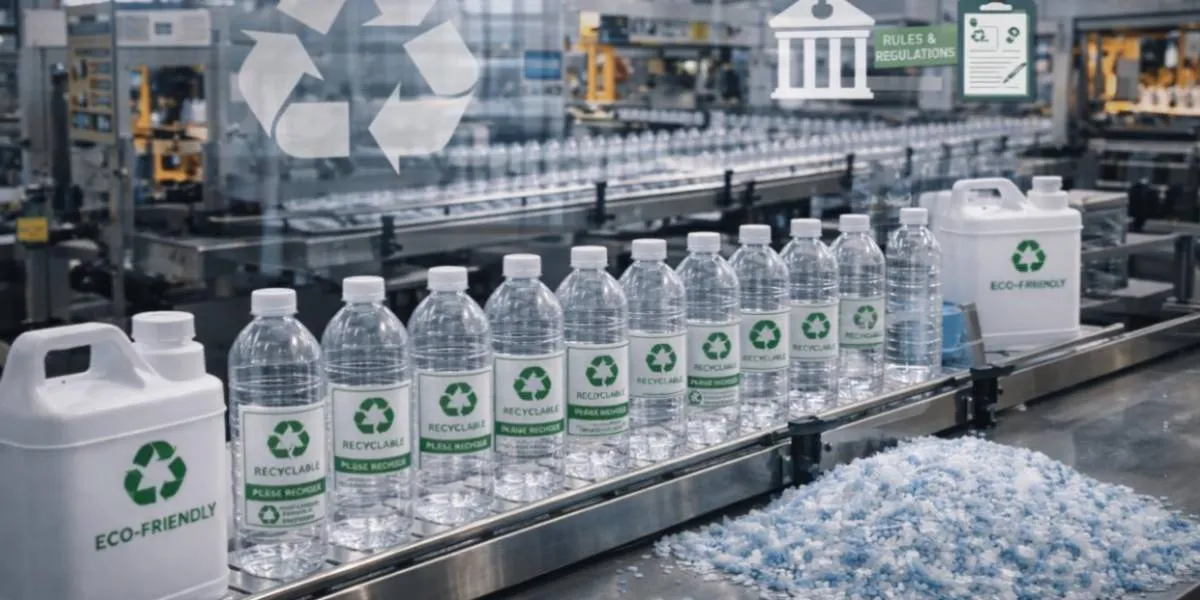
Picture this: you pick up a cold drink from the fridge or grab a snack jar from the pantry. Almost everything you touch comes in plastic packaging. It’s convenient, lightweight, and protects products really well.
But behind the scenes, something big is happening in the packaging world.
Governments around the globe are introducing new rules to reduce plastic waste and make packaging more sustainable. For manufacturers, these plastic packaging regulations 2026 are changing the way packaging is designed, produced, and recycled.
Let’s take a closer look at the regulations shaping the plastic packaging industry today.
Why Are Governments Regulating Plastic Packaging?
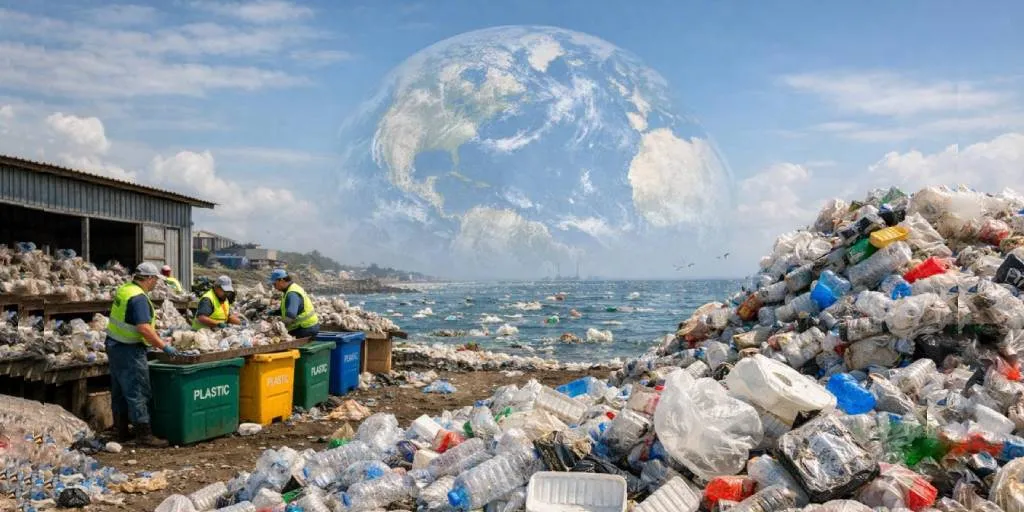
The short answer: plastic waste is growing fast.
According to UNEP, the world produces over 400 million tonnes of plastic each year, around 36% of which is used for packaging.
The bigger concern is what happens after that packaging is used. The OECD reports that only about 9% of global plastic waste is recycled, while the rest ends up in landfills, gets burned, or finds its way into oceans and rivers.
Because of this, governments are stepping in with regulations designed to:
- Reduce plastic waste
- Increase recycling
- Encourage using eco-friendly blow molding
- Hold companies responsible for their packaging
In simple terms, the goal is to make more sustainable plastic packaging.
What Exactly is Extended Producer Responsibility (EPR)?
You might hear the term Extended Producer Responsibility (EPR) a lot in the packaging industry now.
Think of EPR like this: if a company produces plastic container packaging, it also shares responsibility for what happens to that packaging after consumers throw it away.
In the past, governments handled most waste management. But now, under EPR systems, manufacturers may need to help fund or support recycling programs.
That usually means companies must:
- Register with government waste programs.
- Report how much packaging they produce.
- Pay recycling or waste management fees.
- Design packaging that is easier to recycle.
More than 30 countries already have EPR systems for packaging, and many more are introducing them (OECD).
(Source: OECD – Extended Producer Responsibility Database)
For manufacturers, this rule is pushing the industry toward smarter, more recyclable PET bottle production and packaging design.
Are Single-Use Plastics Being Banned?
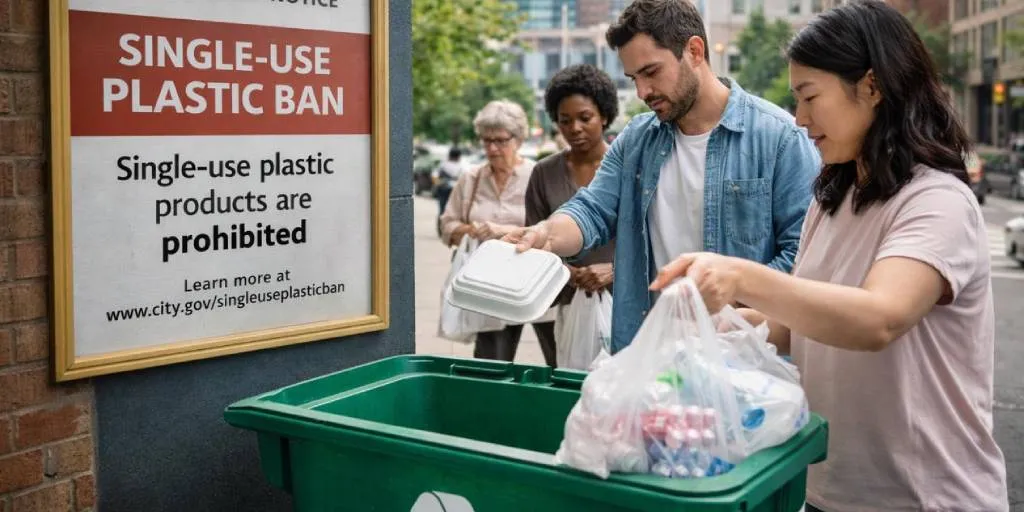
Governments have started restricting or banning certain single-use plastic products.
Single-use plastics are items designed to be used once and then thrown away.
Examples include:
- Plastic shopping bags
- Disposable food containers
According to the United Nations, more than 120 countries have introduced bans or regulations on single-use plastics.
(Source: United Nations Environment Programme – Single-Use Plastics Report)
These policies aim to reduce plastic pollution and encourage businesses to develop alternative solutions.
Plastic packaging manufacturers may need:
- Lightweight packaging designs
- Reusable jars and bottles
- Packaging that is easier to recycle
Companies that adapt quickly to these changes can continue to access global markets without disruption.
What Are Packaging Labeling Requirements?
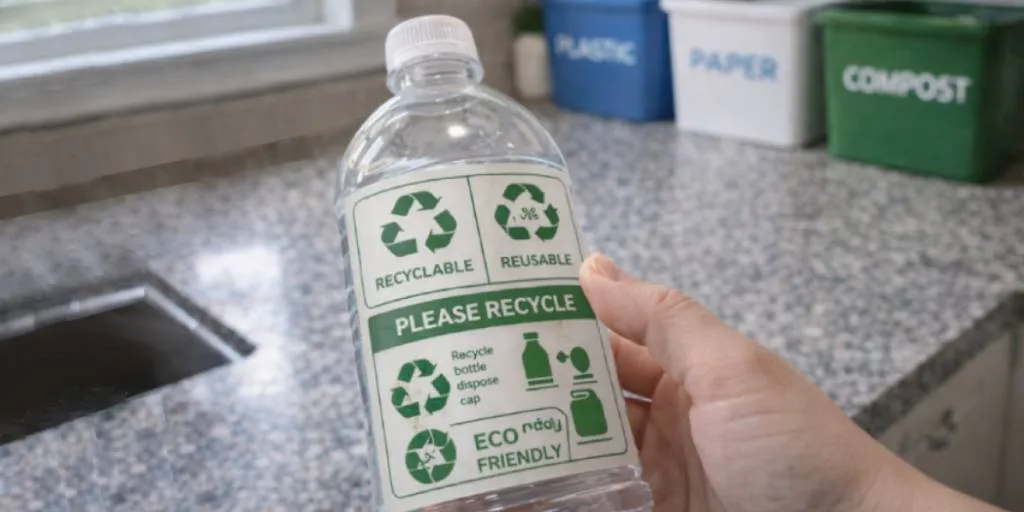
Many consumers are unsure how to properly dispose of plastic packaging. To solve this problem, governments are introducing clearer labeling requirements.
These labels help people understand whether packaging is recyclable, compostable, or reusable.
In 2026, packaging manufacturers may be required to:
- Add recycling symbols on packaging
- Provide disposal instructions
- Avoid misleading environmental claims
Some countries are also introducing penalties for companies that use false sustainability claims, sometimes referred to as “greenwashing.”
Are Manufacturers Required to Use Recycled Plastic Now?
Another major trend in government regulations is the push for recycled plastic content.
Instead of producing packaging entirely from brand-new plastic, governments now want manufacturers to include a certain amount of recycled material in their products.
This helps create a circular system in which plastic container packaging materials are reused rather than thrown away after a single use.
Using recycled plastic offers several benefits:
- First, it reduces the need for new raw materials.
- Second, it lowers the environmental impact of production.
- And third, it supports recycling industries and waste management systems.
Of course, using recycled plastic can sometimes be challenging. Manufacturers need reliable sources of high-quality recycled materials, and they must ensure the final product continues to meet safety and performance standards.
But as recycling technologies improve, this process is becoming much easier for PET bottle manufacturers.
What Challenges Do Manufacturers Face?
Adjusting to these regulations isn’t always easy.
Many plastic packaging manufacturers are facing challenges like:
- Higher production costs: Using recycled materials or new technology can increase expenses.
- Supply chain difficulties: Finding enough high-quality recycled plastic can be tough.
- Packaging redesign: Some products must be redesigned to meet recycling rules.
- Regulatory paperwork: Companies now need to track and report detailed data about their packaging.
But while these challenges exist, they’re also pushing the industry toward innovation.
How Can Manufacturers Adapt?
Adapting to new regulations may seem challenging, but it also creates opportunities for improvement.
Plastic packaging manufacturers can stay ahead by focusing on a few key strategies:
- Design for recyclability: Packaging should be easy to recycle and avoid unnecessary material combinations.
- Increase recycled content: Using recycled plastic helps meet regulatory targets and reduces environmental impact.
- Invest in better technology: Modern manufacturing systems can improve efficiency and sustainability.
- Build responsible supply chains: Working with reliable suppliers ensures compliance with material standards.
- Stay updated on regulations: Packaging laws vary across regions, so staying informed is essential for global manufacturers.
How Is Blowplast Adapting to These Packaging Regulations?
As environmental regulations continue to evolve, packaging manufacturers must stay proactive. We understand that the future of custom rigid packaging depends on innovation, sustainability, and compliance with global standards.
By focusing on efficient manufacturing processes including using eco-friendly blow molding, high-quality plastic packaging solutions, and responsible production practices, Blowplast aims to support businesses that need reliable, regulatory-compliant packaging.
Adapting to regulatory changes is not just about following the law; it’s also about building a more sustainable plastic packaging industry for the future.
The Future of Plastic Packaging Regulations
Plastic bottle packaging isn’t going away anytime soon. It still plays a key role in protecting products, reducing plastic waste, and keeping supply chains efficient.
However, the industry is clearly moving toward more sustainable solutions. Manufacturers that focus on recyclable packaging, eco-friendly materials, responsible production, and innovative design will stay ahead.
Partner with Blowplast for reliable, regulation-ready plastic packaging solutions. Contact us today.
FAQ: Plastic Packaging Regulations
Q1: What is EPR in plastic packaging?
Extended Producer Responsibility requires manufacturers to take responsibility for recycling or disposal of packaging waste.
Q2: Are plastic bottles being banned?
Most regulations do not ban plastic bottles entirely but require them to be recyclable or contain recycled content.
Q3: Why are governments regulating plastic packaging?
The main goal is to reduce plastic waste, increase recycling rates, and encourage sustainable packaging materials.