
By Blowplast Editorial Team | Reviewed by Blowplast Quality Assurance & Packaging Engineering Team | July 2026
Picture a small juice startup launching its first mango drink. To cut costs, they pick cheap, non-food-grade plastic bottles instead of proper food packaging.
Within weeks, complaints roll in: the juice smells off, the bottles turn cloudy, and customers say it “tastes like plastic.” Whether every startup hits this exact snag or not, the lesson is that the wrong packaging material can hurt both product quality and customer trust.
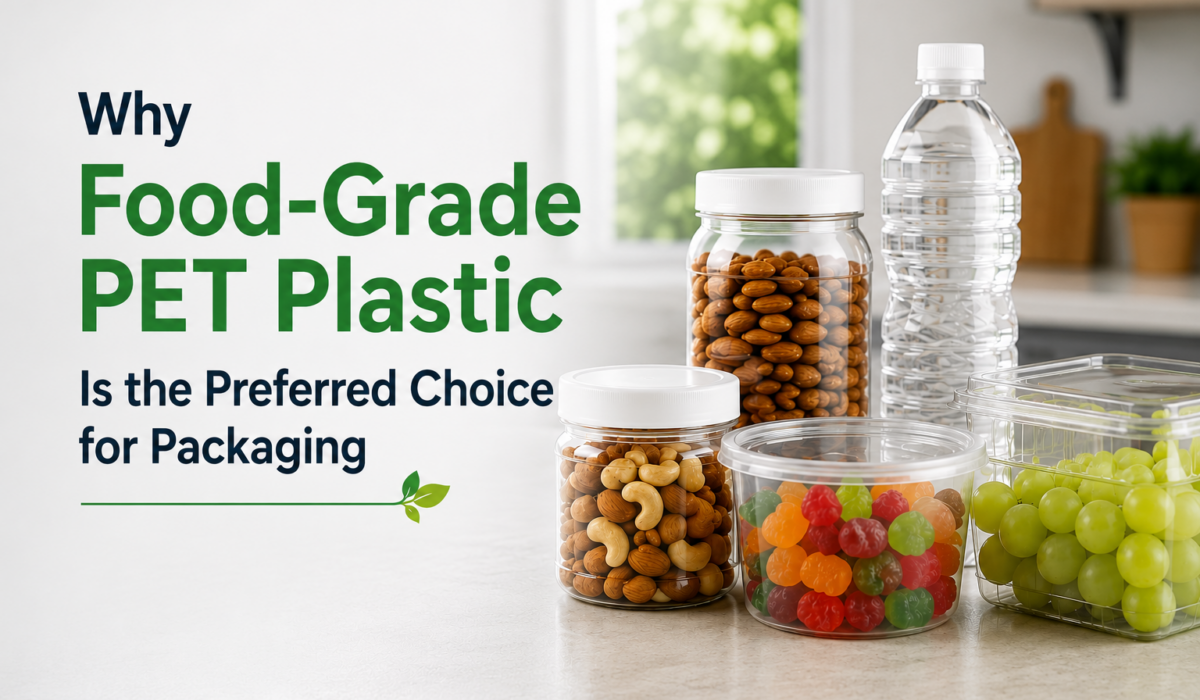
That’s why food-grade PET plastic has become the preferred packaging choice worldwide for beverages, food products, and consumer goods. When manufactured to meet food-contact standards, it strikes the right balance of safety, durability, appearance, and cost.
Here’s why it’s become the go-to material for bottles, jars, and containers.
Our Experience with Food-Grade PET Packaging
At Blowplast, we’ve worked with businesses across the beverage, edible oil, personal care, and household product industries to develop PET packaging that meets practical manufacturing and transportation requirements. One of the most common challenges customers face is selecting packaging that balances product protection, shelf appeal, and production efficiency. Our team helps clients choose bottle designs based on filling methods, storage conditions, transportation needs, and branding objectives.
What Is Food-Grade PET Plastic?
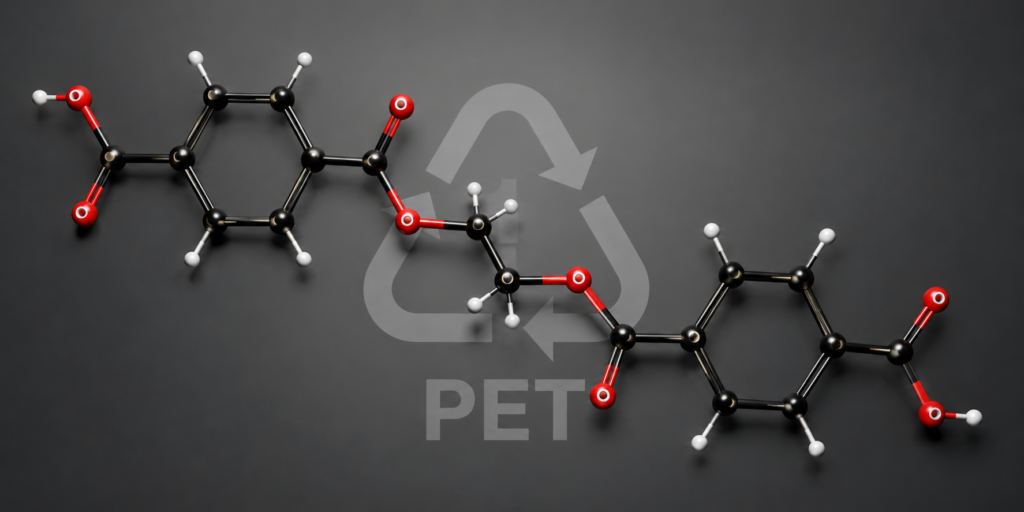
PET stands for Polyethylene Terephthalate, a lightweight and durable plastic specially designed for food and beverage packaging.
The term food-grade means the material meets strict safety standards for storing food and drinks. It does not transfer harmful substances into properly stored products and helps preserve freshness throughout the product’s shelf life.
That’s why you’ll commonly find PET used for:
- Drinking water
- Soft drinks
- Fresh juices
- Milk beverages
- Cooking oils
- Sauces
- Honey
- Dry food products
- Personal care items
If you’ve ever grabbed a cold water bottle from a store shelf, chances are it was made from food-grade PET.
Why Brands Prefer Food-Grade PET Bottles
Choosing packaging isn’t just about appearance. Businesses need packaging that keeps products safe, supports transportation, and delivers a great customer experience.
Food-grade PET delivers all three.
1. Safe for food and beverage products:
Safety is always the first priority.
Food-grade PET is manufactured specifically for products intended for human consumption. When produced under proper quality standards, it helps maintain product quality without affecting taste, aroma, or freshness.
For manufacturers, this means greater confidence that their packaging performs reliably throughout storage, transport, and retail display.
2. Lightweight but surprisingly strong:
Have you ever dropped a plastic bottle and watched it bounce instead of shatter?
Glass bottles don’t usually have that kind of optimism.
PET is incredibly lightweight while remaining highly durable. This combination offers several advantages:
- Easier transportation
- Lower shipping costs
- Reduced product damage
- Better handling for customers
- Improved warehouse efficiency
For businesses shipping thousands of bottles every week, these benefits can make a significant difference.
3. Excellent product protection:
Packaging has one main job:
Protect what’s inside.
Food-grade PET provides an effective barrier against moisture and contaminants while helping preserve the product’s quality during storage and transportation.
This is especially important for products with longer shelf lives, where maintaining freshness directly affects customer satisfaction.
4. Crystal-clear appearance:
Customers like to see what they’re buying.
PET offers excellent clarity, allowing products to remain highly visible on store shelves.
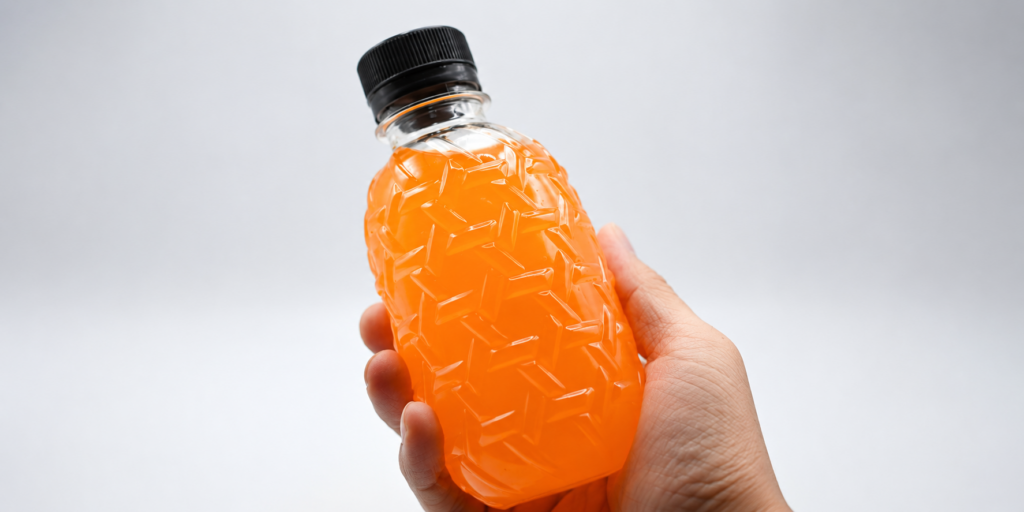
Whether it’s colorful fruit juice, golden cooking oil, or pure drinking water, clear packaging creates a clean and professional appearance that builds customer confidence.
As they say, people do judge a bottle by its cover.
5. Easy to customize:
Every brand wants packaging that showcases its unique identity.
One of PET’s biggest advantages is its design flexibility.
Manufacturers can produce bottles in various:
- Sizes
- Shapes
- Neck finishes
- Colors
- Capacities
Whether you’re launching a premium beverage or an affordable household product, custom packaging helps your brand stand out in a competitive market.
Working with experienced custom plastic bottle manufacturers also allows businesses to create packaging tailored to their specific product requirements instead of relying on standard bottle designs.
6. Suitable for many industries:
PET isn’t limited to bottled water.
Its flexibility makes it a reliable choice for a wide range of industries, including:
- Food and beverages
- Pharmaceuticals
- Personal care
- Stationery packaging
- Household cleaning products
- Cosmetics
- Nutritional supplements
This flexibility makes PET one of the most widely used packaging materials worldwide.
7. Cost-effective for manufacturers:
Businesses are always balancing quality and cost.
PET helps achieve both.
Its lightweight nature reduces transportation expenses, while efficient manufacturing processes support large-scale production without compromising quality.
For growing businesses, choosing reliable packaging that also helps manage operational costs is a practical long-term decision.
Why Food-Grade Certification Matters
Food-grade PET is manufactured using resin intended for food-contact applications and produced under controlled quality processes. When manufactured in accordance with applicable food safety regulations, PET bottles are designed to help preserve product quality without transferring harmful substances into food or beverages under normal conditions of use.
PET is also naturally BPA-free, making it a widely accepted packaging material for bottled water, beverages, edible oils, sauces, and many other consumer products.
Depending on the target market, food-contact packaging may need to comply with applicable regulations such as U.S. FDA food-contact requirements or EU food-contact legislation. Manufacturers should always verify the specific regulatory requirements for the countries where their products will be sold.
Is PET Plastic Recyclable?
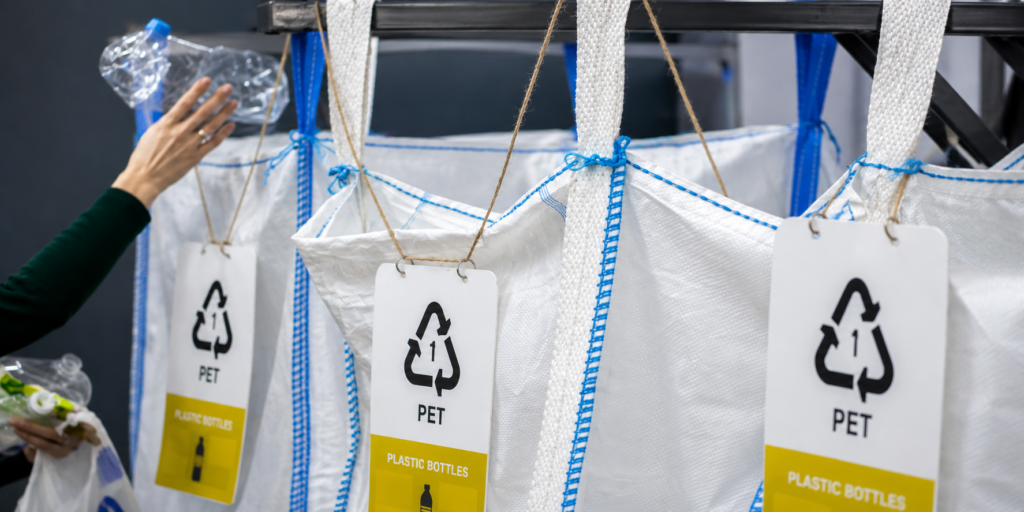
Yes. PET is one of the world’s most widely recycled plastics. Once collected and properly processed, recycled PET (rPET) can be used in a variety of applications, including packaging (where permitted by applicable regulations), textile fibres, industrial products, and consumer goods.
Like any packaging material, PET delivers the greatest environmental benefit when supported by effective collection and recycling systems. Businesses can contribute by designing recyclable packaging, while consumers help by disposing of used bottles through local recycling programs whenever available.
Why Is PET Better Than Many Other Packaging Materials?
Let’s compare.
| Feature | PET Bottles | Glass | Metal |
| Lightweight | ✔ | ❌ | ❌ |
| Shatter Resistant | ✔ | ❌ | ✔ |
| Easy & Cost-Effective to Transport | ✔ | ❌ | ❌ |
| Product Visibility (Transparent) | ✔ | ✔ | ❌ |
| Food-Grade Safe | ✔ | ✔ | ✔ |
| Affordable Packaging Option | ✔ | ❌ | ❌ |
| Lower Risk of Breakage Losses | ✔ | ❌ | ✔ |
| Easy to Handle & Store | ✔ | ❌ | ❌ |
| Suitable for Food & Beverage Packaging | ✔ | ✔ | ✔ |
Quick Takeaway: PET offers the best combination of lightweight design, durability, affordability, and product visibility, making it a preferred packaging choice for many food and beverage businesses.
How Can Custom Plastic Bottle Manufacturers Help Your Brand Stand Out?
Walk through any supermarket, and you’ll notice something interesting.
Many products offer similar quality, but customers often pick the one with better packaging.
That’s where custom plastic bottle manufacturers make a difference.
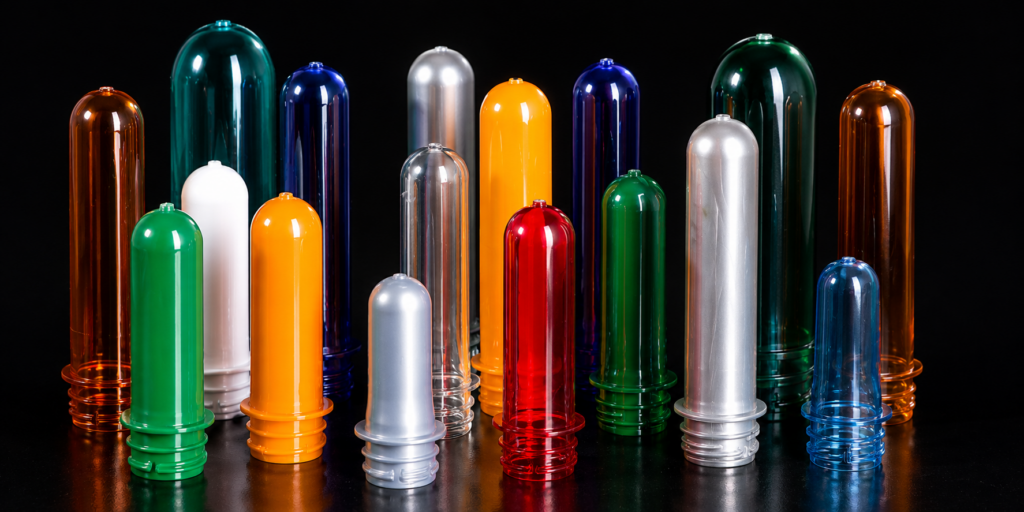
Custom bottles allow businesses to create unique packaging that reflects their brand identity. Instead of using standard shapes, companies can choose designs that improve shelf appeal and make products easier to recognize.
Customization may include:
- Unique bottle shapes
- Different bottle sizes
- Custom neck finishes
- Embossing and sleeving
- Color options
Good packaging tells customers, “This brand cares about quality.”
And that’s a great first impression to make.
How Quality PET Bottles Are Manufactured
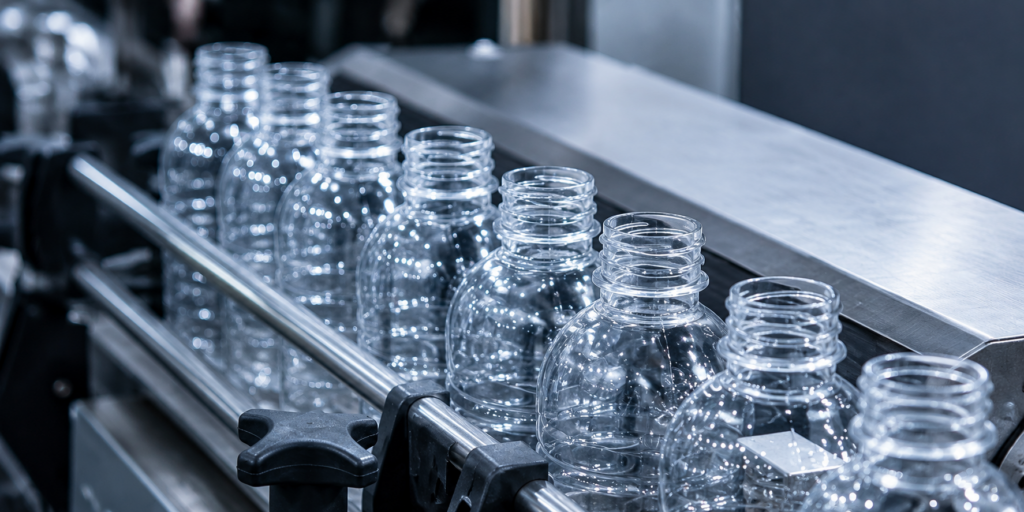
High-quality PET packaging starts with food-grade raw materials and a controlled manufacturing process. Reputable manufacturers use precision molding equipment, perform routine quality inspections and check bottles for consistency, strength, dimensional accuracy, and leak resistance before they leave the production facility.
Consistent quality control helps businesses reduce packaging failures, minimize product waste, and maintain customer confidence throughout the supply chain.
Are There Any Limitations to PET Packaging?
While PET is an excellent packaging material for many food and beverage applications, no packaging material is ideal for every use.
Standard PET bottles are generally not intended for microwave use or prolonged exposure to high temperatures unless specifically designed for those conditions. Products requiring hot-fill processing or sterilization may require specialized PET formulations or alternative packaging materials.
Selecting the right packaging should always take into account the product, filling process, storage conditions, transportation requirements, and expected shelf life.
Common Mistakes When Choosing PET Bottles
- Selecting bottle designs based only on price.
- Ignoring filling temperature requirements.
- Choosing incorrect neck finishes.
- Overlooking transportation conditions.
- Not considering product shelf life.
- Using generic bottles for premium products.
What Should You Look for Before Choosing a PET Bottle Manufacturer?
Choosing the right manufacturer is about more than price.
Before making a decision, consider:
- Do they use certified food-grade materials?
- Can they provide custom packaging solutions?
- Do they maintain consistent product quality?
- Can they handle large production volumes?
- Do they deliver on time?
- Do they have industry experience?
- Can they support future business growth?
A trusted packaging partner becomes part of your business success, not just another supplier.
Blowplast’s Approach to Quality Manufacturing
At Blowplast, we recognize that packaging plays an important role in protecting products and strengthening brand perception.
As one of the trusted rigid plastic manufacturers, we focus on producing food-grade PET bottles with consistent quality, reliable performance, and attractive designs for a wide range of industries. From standard bottle designs to customized packaging solutions, we work with customers to develop packaging that supports product protection, efficient production, and strong shelf presentation.
Where applicable, our production processes follow documented quality procedures designed to maintain consistency throughout manufacturing. We continually invest in process improvement, production efficiency, and customer-focused packaging solutions.
Why Businesses Choose Blowplast
✔ Food-grade PET packaging
✔ Custom bottle development
✔ Consistent quality inspections
✔ Reliable production schedules
✔ Packaging design support
✔ Industry-focused manufacturing
Summary
Choosing the right packaging isn’t just a technical decision; it directly affects how customers feel about a product before they even taste it. Food-grade PET plastic brings safety, freshness, durability, and good looks all in one package.
If you’re a business looking to work with a trusted PET bottles manufacturer, or exploring options among reliable plastic bottles manufacturers in Pakistan, it’s worth choosing a partner who understands quality, hygiene, and design, because good packaging isn’t just about holding a product. It’s about protecting your brand’s reputation, one bottle at a time.
Get in touch with us today.
Frequently Asked Questions
1. Is PET plastic safe for food packaging?
Food-grade PET is specifically manufactured for food-contact applications and is widely used for bottled water, beverages, edible oils, sauces, and many other packaged products when produced in accordance with applicable food safety standards.
2. Are PET bottles BPA-free?
Yes. PET does not contain Bisphenol A (BPA), which is associated with certain other plastics.
3. Can PET bottles be recycled?
Yes. PET is widely recyclable and can be processed into new products through established recycling systems.
4. Why do food manufacturers choose PET over glass?
PET offers several practical advantages, including lower weight, reduced transportation costs, greater impact resistance, and excellent product visibility, while still providing effective protection for many food and beverage products.
5. Can PET bottles be customized?
Yes. Manufacturers can produce PET bottles in different sizes, shapes, colors, neck finishes, and capacities to meet branding and product requirements.
References
- U.S. Food & Drug Administration (FDA) – Food Contact Materials
- European Food Safety Authority (EFSA)
- PET Resin Association
- PlasticsEurope