
Let’s get straight to it: if you’re sourcing packaging for your business, a plastic bottle is not “just a bottle.” It’s your product’s bodyguard. If it fails, your brand pays the price.
Whether you’re ordering bulk plastic bottles or working with a pharma bottles supplier, durability is non-negotiable. Because one cracked bottle in transit can turn into 1,000 unhappy customers.
So here’s a practical guide to spotting a durable plastic bottle without needing a lab coat.
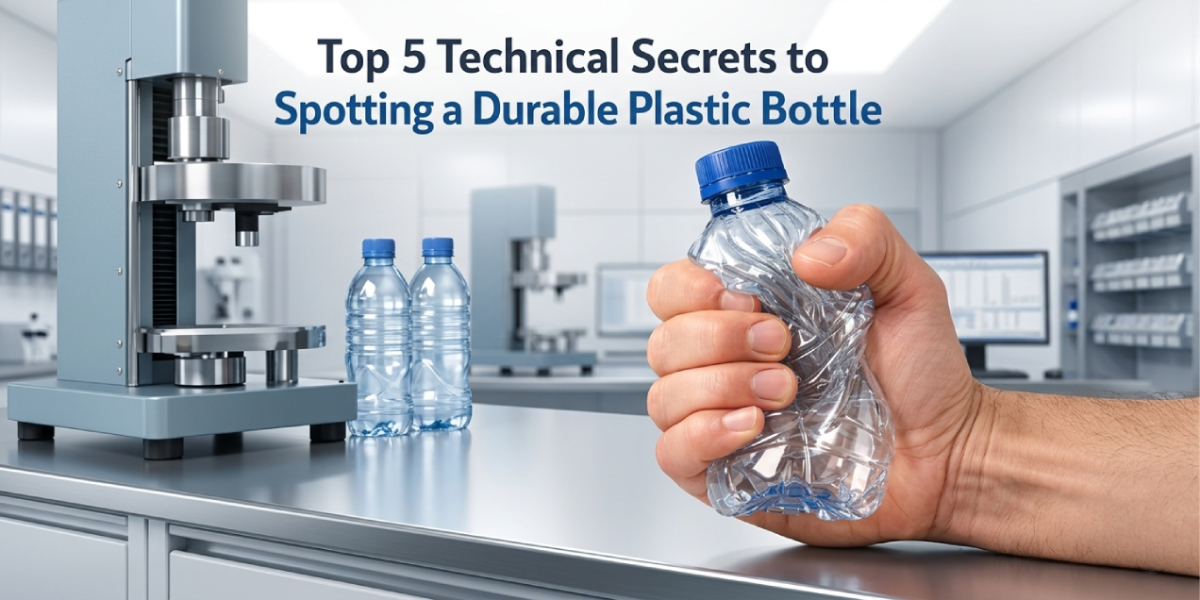
1. The Squeeze Test:
Before diving into technical specs, start with the simplest test: squeeze the bottle.
A durable bottle should:
- Resist light pressure
- Bounce back instantly
- Not produce cracking or stress sounds
In B2B supply chains, bottles go through stacking, transport, and handling. If it collapses in your hand, imagine what happens in a warehouse.
When sourcing bulk plastic bottles, this quick test can save you from investing in weak inventory.
Reality check: If your bottle folds faster than a bad negotiation, it’s not the one.
2. Material Selection: PET vs. HDPE
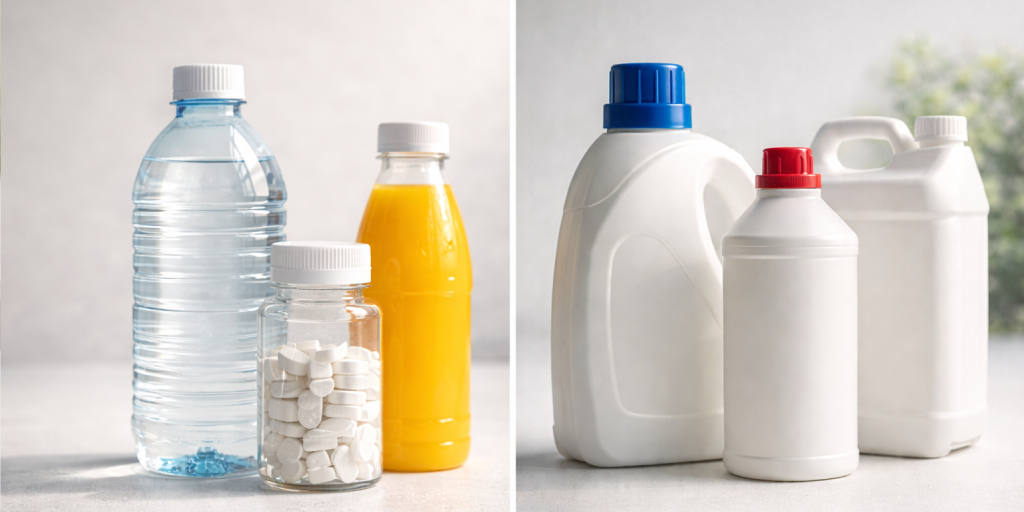
Not all plastics perform the same way. The two most common materials you’ll come across are:
- PET (Polyethylene Terephthalate):
Clear, lightweight, and strong. Ideal for beverages, stationery, and pharmaceutical packaging.
- HDPE (High-Density Polyethylene):
More rigid and impact-resistant. Common in chemical and detergent packaging.
If you’re sourcing from a pharmaceutical bottles manufacturer, material selection becomes even more critical due to safety and compliance requirements.
Simple rule: Match the material to the product. Don’t store heavy-duty chemicals in a bottle designed for juice unless you enjoy problems.
3. Wall Thickness Consistency:
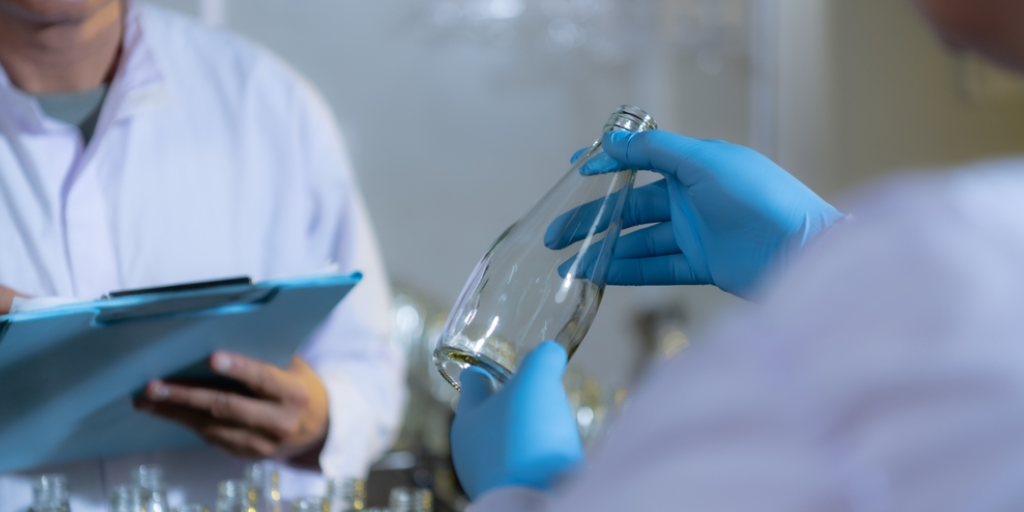
Two bottles may look identical but perform very differently.
Why? Wall thickness.
A high-quality bottle from a reliable plastic jar manufacturer will have:
- Uniform thickness across all sides
- Reinforced base areas
- No weak or overly thin sections
Inconsistent thickness leads to:
- Deformation during stacking
- Higher breakage rates
- Product leakage
This is especially important for plastic jars suppliers serving food, stationery, or industrial clients where structural integrity matters.
Quick tip: If the bottle feels unusually light for its size, it may be cutting corners; and eventually, your profits.
4. Inspect the Cap and Seal Quality:
No matter how good the bottle is, its closure makes all the difference.
You can have the strongest bottle in the world, but if the cap leaks, that’s a problem.
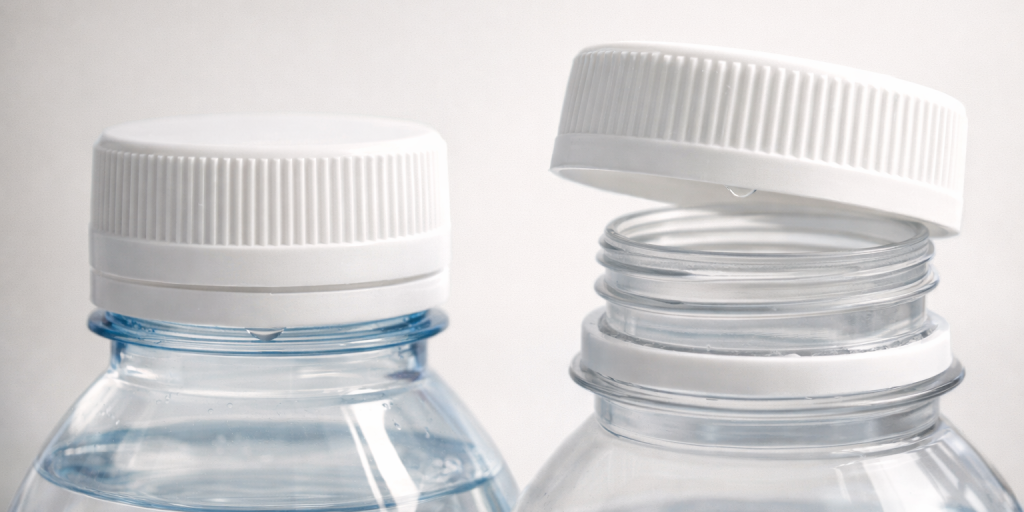
Look for:
- Tight-fitting caps
- Smooth threading
- No gaps or loose finishes
High-quality plastic bottles with caps are designed to prevent leakage, contamination, and air exposure.
This is especially important for food products, liquids, and pharmaceutical.
That’s why a reliable pharma bottles supplier always ensures cap compatibility and sealing performance.
Field insight: One loose cap can ruin an entire shipment. That’s not a risk; it’s certain.
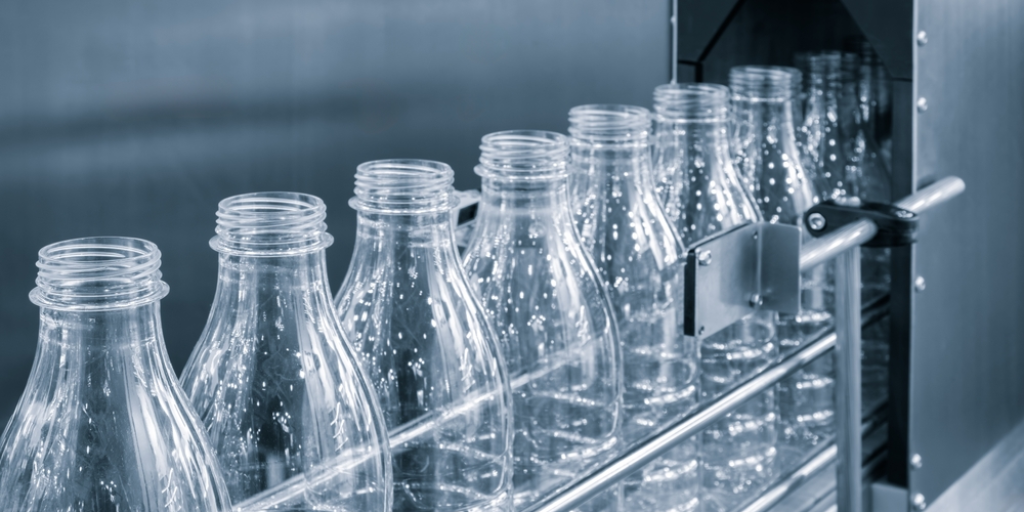
5. Transparency and Finish:
Bottle design isn’t just about shelf appeal; it directly impacts durability.
Well-engineered bottles from a custom plastic bottles manufacturer often include:
- Curved structures for better pressure distribution
- Reinforced necks and bases
- Ergonomic shapes for handling
These features help bottles withstand:
- Vertical stacking loads
- Transportation stress
- Repeated handling
For businesses sourcing bulk plastic bottles, optimized design reduces breakage rates across the supply chain.
Think of it this way: if it looks poorly made, it probably won’t last long either.
Why Durability Matters
In consumer markets, packaging influences buying decisions. In B2B, it influences operational efficiency.
Choosing a durable bottle means:
- Lower damage rates
- Reduced logistics costs
- Fewer customer complaints
- Stronger brand reliability
If you’re working with a plastic bottle manufacturer, your packaging quality reflects your business standards. Weak packaging signals weak quality, even if your product is excellent.
What to Ask Your Supplier Before You Place an Order
Before you commit to any plastic bottle manufacturer, ask the questions that actually matter.
A trustworthy supplier should clearly outline:
- Material specifications and sourcing.
- Quality control processes.
- Batch consistency guarantees.
- Cap compatibility and sealing standards.
If the answers are vague, that’s a red flag.
Because once your order is in production, it’s too late for “we should have asked that.”
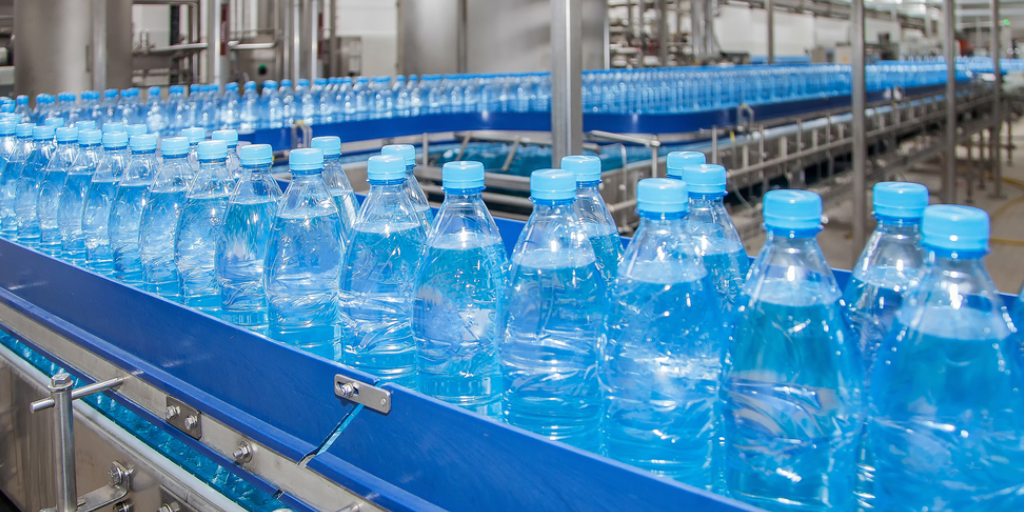
How Blowplast Helps You Get It Right
At Blowplast, we don’t just make bottles; we make packaging you can rely on.
As a top plastic bottle manufacturer, we bring you:
- Durable PET bottles in Pakistan for multiple industries
- High-quality plastic bottles with caps
- Reliable and safe pharma bottles and jars
- Bulk plastic bottles with consistent quality
If you require tailored solutions, as a custom plastic bottles manufacturer, we can design packaging suited to your product’s exact needs.
As a Takeaway
Durability in plastic bottles isn’t complicated, but it is critical.
To recap:
- Test physical strength with a simple squeeze.
- Select the right material (PET vs. HDPE).
- Check wall thickness consistency.
- Ensure cap and closure reliability.
- Evaluate structural design.
If a bottle passes all five, you’re not just buying packaging; you’re investing in product safety and brand trust. Because in B2B, small packaging failures don’t stay small. They scale.
And the last thing any business needs is a packaging problem that grows faster than its sales.
Get durable bottles. Start with Blowplast.