
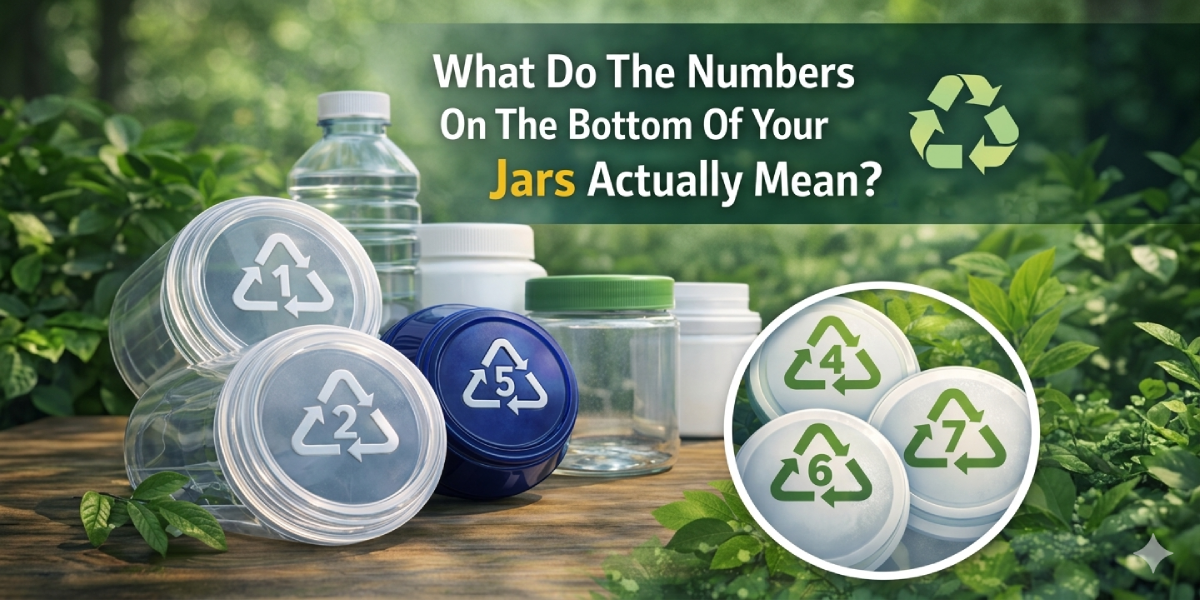
Ever picked up a plastic jar, turned it upside down, and spotted a tiny triangle with a number inside, then wondered, “Is this a secret code, or am I just overthinking it?”
You’re not alone. Most people see those numbers and either ignore them or assume they’re only for recycling centers to worry about.
But here’s the thing: those little numbers actually tell you a lot about the jar you’re using, whether it’s safe for food, reusable, or best recycled.
At Blowplast, a trusted plastic jar manufacturer, we believe understanding your packaging shouldn’t feel like solving a puzzle.
So let’s break it down.
What Are These Numbers?
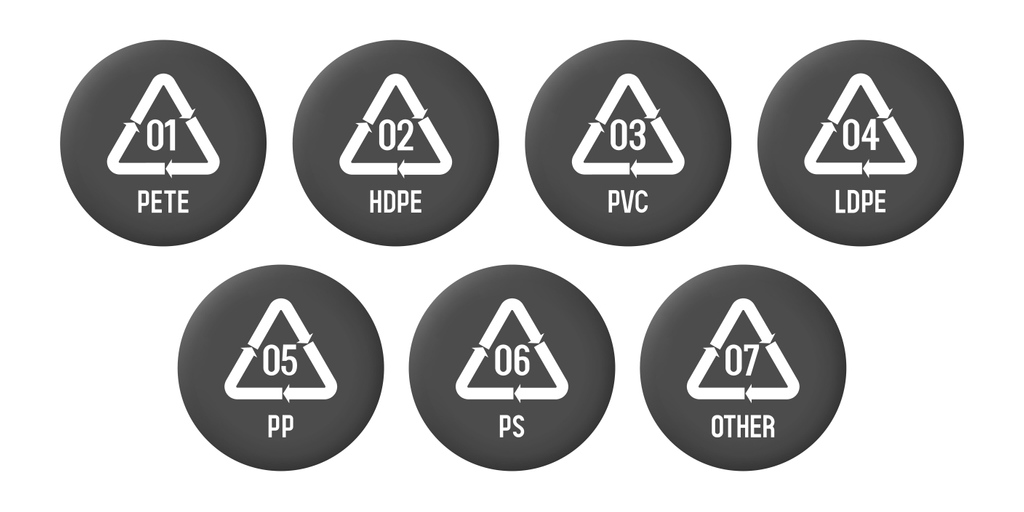
Those numbers inside the triangle are called plastic recycling symbols. Each number (1-7) represents a different type of plastic.
Think of it like a personality type for your plastic jar: it tells you how it behaves, what it’s best used for, and how to handle it after use.
Understanding the meaning of plastic recycling symbols can help you choose the right plastic jars for your needs, whether for food, storage, or packaging.
The Most Common Numbers You’ll See on Plastic Jars
Let’s look at the ones you’re most likely to find on plastic jars:
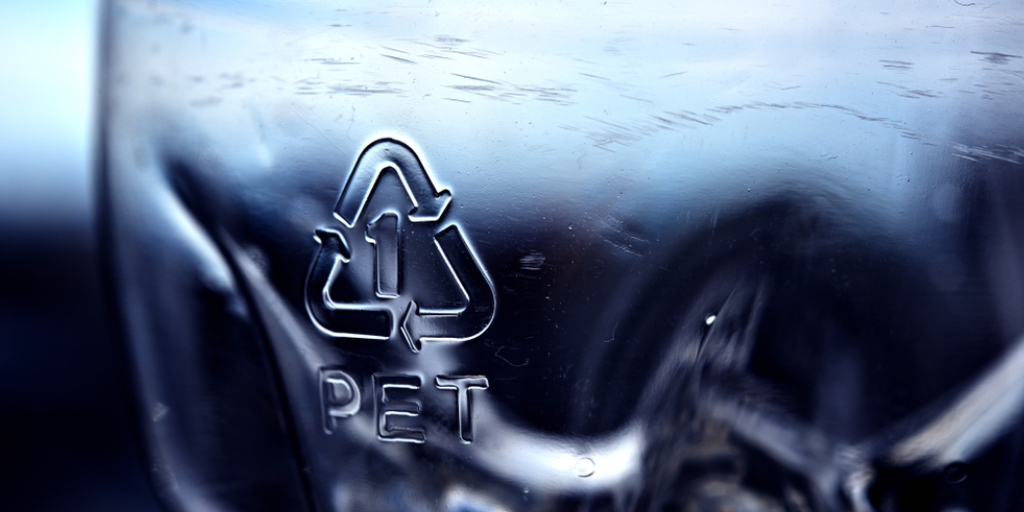
1 – PET (Polyethylene Terephthalate)
This is one of the most common plastics used in clear plastic jars.
- Lightweight and transparent.
- Often used for food and beverage packaging.
- Safe for single use.
You’ll usually find PET plastic jars used for items like snacks, dry foods, stationery, and even pharmaceuticals. They look clean, clear, and attractive: perfect for display.
Industry Insight: PET is approved for food contact in many global regulatory frameworks when used as intended.
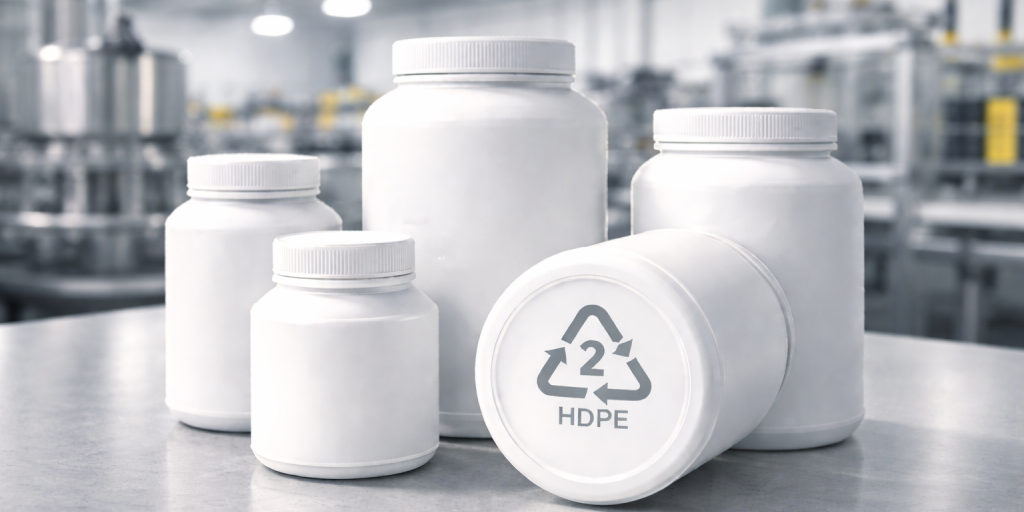
2 – HDPE (High-Density Polyethylene)
Now we’re talking about one of the most durable options out there.
- Strong and sturdy
- Resistant to chemicals
- Safe for reuse
If you’re buying plastic jars with lids, HDPE is a great option. It’s tough, reliable, and widely used in both household and industrial packaging.
But here’s the catch: HDPE plastic jars are best for repeated use. Using them for too long? Not a great idea.
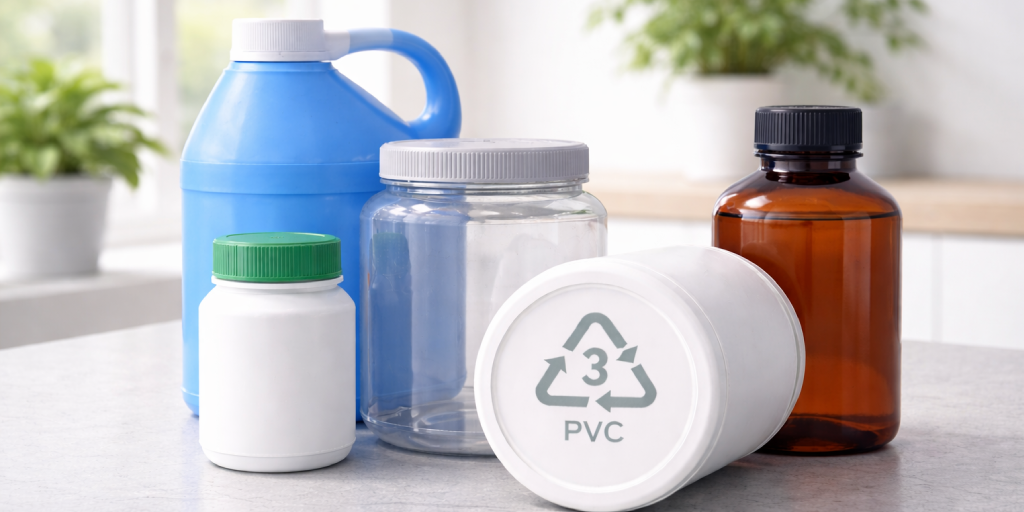
3 – PVC (Polyvinyl Chloride)
You won’t see this as often in plastic storage jars, and there’s a reason.
- Less flexible
- Not commonly used for food packaging
- More industrial use
So if you’re looking for bulk plastic jars for food or personal use, this isn’t usually your go-to material.
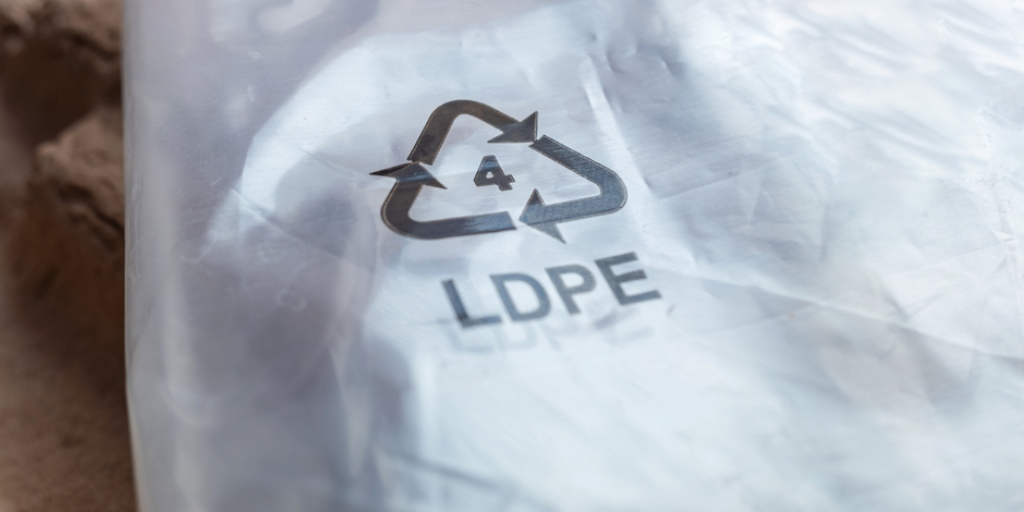
4 – LDPE (Low-Density Polyethylene)
This one is softer and more flexible.
- Squeezable material
- Lightweight
- Used for certain types of containers
While not as common in rigid plastic jar containers, LDPE still plays a role in packaging.
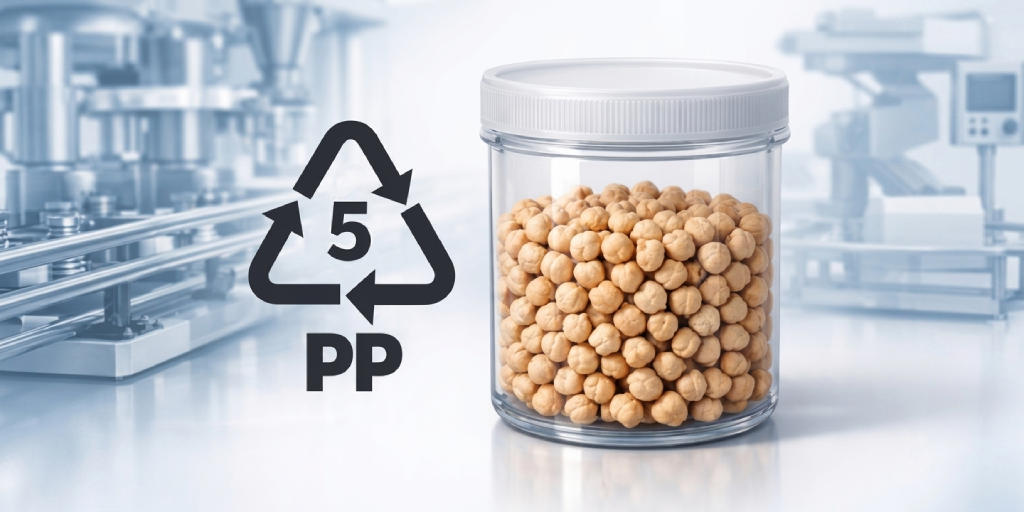
5 – PP (Polypropylene)
Expert Tip: PP is one of the most versatile plastics for both hot and cold applications.
- Heat-resistant
- Durable
- Safe for food and repeated use
Many wholesale plastic jars manufacturers use polypropylene because it can handle both hot and cold contents.
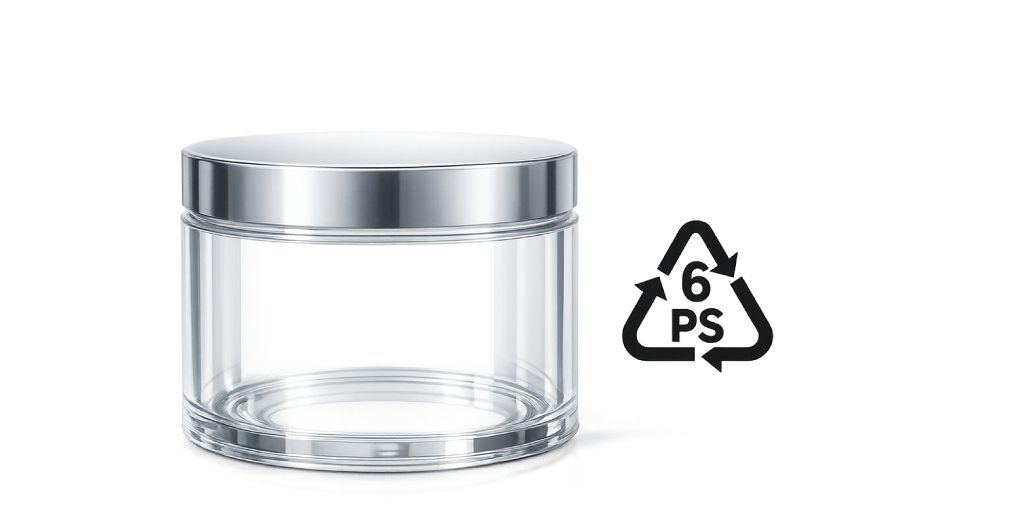
6 – PS (Polystyrene)
This one is a bit tricky.
- Lightweight
- Not ideal for high heat
- Limited reuse
You might find it in some packaging, but it’s not the top choice for long-term or food-safe plastic jar wholesale options.
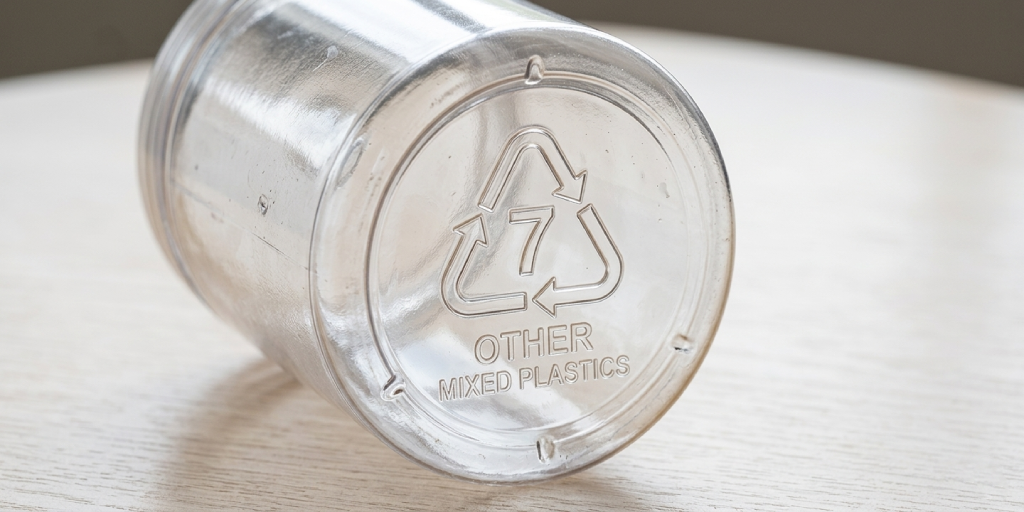
7 – Other (Mixed Plastics)
This is the “miscellaneous” category.
- Mixed materials
- Varies in safety and use
- Requires careful checking
If you see this number, it’s worth double-checking the product details, especially for pharmaceutical plastic containers.
Why Should You Care About These Numbers?
Good question. After all, a jar is just a jar, right?
Not exactly.
Knowing these numbers helps you:
- Choose safe plastic jars with lids for food storage.
- Pick durable options for long-term use.
- Understand recycling and reduce waste.
- Make better buying decisions when sourcing wholesale plastic jars.
For businesses, especially, this knowledge is gold. If you’re buying bulk plastic jars for your products, the material matters more than you think.
A Quick Real-Life Scenario
Picture this:
You’ve just bought a batch of clear plastic jars for your homemade snacks business. They look perfect; shiny, transparent, and professional.
But a customer asks, “Are these food safe?”
You flip the jar, see a tiny “1” at the bottom, and suddenly panic.
Now imagine instead you know that “1” means PET, safe for food. Confidence restored. Customer impressed. Business thriving.
That’s the power of understanding plastic recycling symbols meaning.
Important Safety Note
While recycling symbols are helpful, always:
- Check intended use guidelines
- Confirm food-grade certification
- Avoid using damaged or degraded containers
How Blowplast Makes It Easier
Blowplast is a trusted plastic packaging manufacturer specializing in food-grade, pharmaceutical, and industrial plastic containers. With years of experience in producing PET jars, and bottles, we help businesses choose safe, durable, and compliant packaging solutions.
At Blowplast, we know that not everyone wants to become a plastic expert, and you shouldn’t have to.
As a leading plastic jar manufacturer, we focus on:
- High-quality plastic jar containers
- Safe and reliable food grade plastic jars
- Durable pharmaceutical plastic containers
- A wide range of wholesale plastic jars
If you need PET plastic jars for a clean, clear look, we’ve got options that fit your needs without the confusion.
At a Glance
Those tiny numbers on the bottom of your jars? They’re not random. They’re actually a simple guide to help you understand what your plastic is made of and how to use it safely.
So next time you pick up a jar, flip it over and take a look.
You might just feel like you’ve cracked a secret code.
And if you’d rather skip the guessing game altogether, we are here to help you choose the right plastic jars, no decoding required.Scale your packaging with Blowplast.